Auto Europe

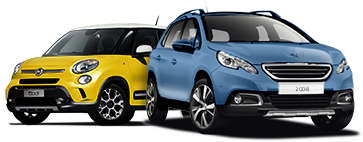


- Compare Companies for the Best Rates
- Free Cancellation 48hrs before Pickup
- No Credit Card or Booking Fees
- Support Hotline During Rental
- 28,000 Pickup Locations Worldwide


Car Rental Geneva - Unlock Affordable Deals

Geneva is Switzerland's second-largest city and Romandy's largest. It is the capital of the Republic and Canton of Geneva, located where the Rhône exits Lake Geneva in the southwest. Remember that you may pick up your rental vehicle from any convenient location in Geneva, or you can arrange a Switzerland car rental with so many local possibilities!
Geneva attracts visitors from worldwide with its breathtaking beauty and its critical importance in world politics. Perhaps the cities most striking feature the Jet d'Eau a massive fountain situated in Lake Geneva, rockets 130 gallons of water per second 460 feet into the air! The fountain is visible from throughout the city and even when flying over at commercial altitude. The Palace Of Nations with its awe inspiring architecture located in Ariana Park is one of the most significant structures in world politics. It has been the home of a United Nations Office the second largest in the world since 1946. There are guided tours offered for visitors curious to explore and learn about the buildings storied history, as well as the work that the United Nations continues to do there. A visit to The Bains des Paquis is a great way to relax for the whole family. A city beach with gorgeous views of Lake Geneva, Visitors can enjoy sunbathing and swimming when weather permits as well as many other sports and activities year round.
Whether you're in Geneva for business or pleasure, the Auto Europe team can help you save big on Switzerland car rentals! Use the three-step search above to select your ideal vehicle. When it comes to the cheapest Switzerland car rentals online, Auto Europe has you covered with discounts and free cancellation within 48 hours. We've been working with our global partners since 1954, which is why our pricing are the lowest on the market.
Where to pick up a car rental in Geneva
Please use our search box to narrow down your selections for Geneva, Switzerland car rental companies. There are three options. But, the Geneva downtown area is not the only place in town where you may hire a vehicle. Budget, Europcar, and numerous more companies operate counters at the airport and across the city. Auto Europe makes hiring a car in Geneva simple and handy since you may begin and finish your journey at any of their many convenient locations. If you can't find what you're looking for on our website, please contact us.
Compare car rental rates at the most popular locations in Geneva
Book with the best car rental suppliers in Geneva
The price of Budget, Europcar, and many more Geneva rental car providers is constantly updated on the Auto Europe website. With only three mouse clicks, you may take advantage of our online discounts and round-the-clock support. With a travel voucher, driver's license, and passport, you'll have the keys to your Switzerland rental car and be on your way in no time. Learn more about our trusted Geneva car rental providers by clicking on the links below!
 |
 |
 |
 |
FAQs about car rental in Switzerland
Whether it's your first time or your tenth renting a car, you may still have questions about the process. To help you navigate this, we've compiled a list of frequently asked questions about car rentals. This includes details on insurance, age and license requirements. Our goal is to equip you with the knowledge you need to make the most of your trip.
How old do I need to be to rent a car in Geneva?
The minimum age to rent a car in Geneva, Switzerland is typically 19 years old, but for some suppliers it can be 21 Full-size, Premium, and Luxury car classes are accessible exclusively to renters above the age of 25. Those under the age of 25 must pay a daily Young Driver's Fee, however you can pay that at the counter when you pick it up. If you need more assistance you can call Auto Europe for more help.
Can I rent a car without a credit card in Geneva?
No, to rent a car in Geneva, a credit card is essential. Specifically, when you arrive at the rental desk to collect your vehicle, you must present a valid credit card in the name of the primary driver listed on your voucher, ensuring it has sufficient credit for the security deposit.
The requirement for a credit card at the time of pickup is to allow the rental company to place a hold on the security deposit. Without a credit card, the rental company may deny you the vehicle or ask for additional insurance payments. Note that credit cards from extra drivers or cash deposits are not accepted. While a few rental companies might allow a debit card, this is quite uncommon. The security deposit will be released from your card once you return the car in the same condition as when you received it.
For details regarding credit card holds and deposits during your booking, you can always check our booking engine by clicking on the blue (i) icon or refer to your voucher after completing your reservation.
What car rental insurance is included in Geneva?
All our car rental rates in Geneva include fire and third party liability insurance. Our inclusive rates also provide collision and theft coverage at an advance purchase discount.
Do I need an International Driving Permit to rent a car in in Geneva?
All American drivers must obtain an International Driving Permit (IDP) to drive or rent a vehicle in Geneva. You can request an IDP at a local AAA office or conveniently order one online.
Do I have to pay for tolls in Geneva?
Yes, you must pay for any tolls you come across in Geneva and throughout Switzerland.
Vehicle Rental Fleet Switzerland
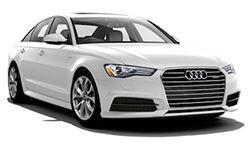
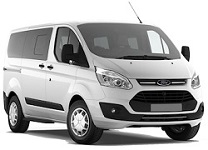
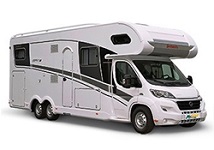
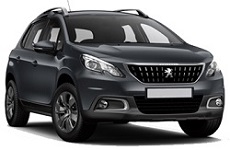
With our ever-improving platform, Auto Europe provides a broad selection of rental automobiles, fair pricing, and round-the-clock service. High-end automobiles available for rental in Geneva include Ford Edge SUVs, Chevrolet Impalas, and Chrysler 300s, with prices made easy to compare on AutoEurope.com. A Chrysler Pacifica seven-seat minivan or a VW Jetta family car are also possible options. There's a car waiting for you in Geneva, No matter what your needs.
Useful links
- Home
- Car Rentals
- Switzerland Car Rental
- Geneva Car Rental