Auto Europe




- Compare Companies for the Best Rates
- Free Cancellation 48hrs before Pickup
- No Credit Card or Booking Fees
- Support Hotline During Rental
- 28,000 Pickup Locations Worldwide


Car Rental in Madrid - Discover Stunning Spain

Madrid is a city steeped in culture and tradition and best explored at your own pace from the seat of a rental car. This city is the perfect destination for travelers interested in famous paintings and ancient architecture. Still, it's also ideal for those looking to enjoy a relaxing, slow-paced vacation. Take a step back and listen closely - you might hear the soft melody of a Spanish guitar, the gentle sway of a flamenco dancer's shirt, and perhaps the lively shouts of a charismatic matador. Allow yourself to experience this metropolis at your own pace and take in everything this vibrant city offers when renting a car in Spain with Auto Europe.
Madrid is known for its rich cultural heritage, vibrant nightlife, and art scene. If you want to visit historic buildings and cafes, Plaza Mayor is the place to be. You can see the iconic Casa de La Panaderia, a building with beautiful frescoes, and Arco de Cuchilleros, one of the historic arches in Madrid. The city has world-famous museums like the Prado, Reina Sofia, and Thyessen-Bornemisza. To experience Madrid's nightlife, you can visit Malasaña, Cuenca, and La Latina while enjoying tapas, flamenco shows, and outdoor terraces. Book ahead a car rental in Spain to explore the vibrant city of Madrid with Auto Europe's car rental services. Auto Europe makes renting a car easy and worry-free.
Explore more during your time in Madrid by taking a road trip across Spain and seeing as much of this beautiful country as possible. With historic cities and landmarks just a short drive away, day trips outside Madrid are a great way to enhance your stay. Start planning your travel itinerary with Auto Europe!
Book your rental car in Madrid today to guarantee yourself the lowest rate. Save with Auto Europe and book confidently, knowing you are working with an industry leader in international car rentals. We guarantee the lowest rate on your rental and have a price match guarantee to back it up! Save even more on car rental insurance in Spain or add-ons like GPS and other accessories. There is no reason to delay with free cancellation up to 48 hours before pick-up!
Where to pick up a car rental in Madrid
Several convenient pick-up locations are throughout the city. Auto Europe offers various pick-up options from Madrid's international airports, rail stations, and several downtown offices. Compare rates from Madrid's most popular rental car pick-up and drop-off locations.
Compare car rental rates at the most popular locations in Madrid
Book with the best car rental suppliers in Madrid
Auto Europe has over 28,000 locations in 190 countries worldwide. We work with the most trusted rental car suppliers, allowing us to provide worldwide transportation services. These well-known suppliers include Avis, Budget, Dollar, Europcar, Hertz, Sixt, Thrifty, and more, to ensure a smooth rental experience for our customers.
 |
 |
 |
 |
FAQs about car rental in Madrid
Whether it's your first time or your tenth renting a car, you may still have questions about the process. To help you navigate this, we've compiled a list of frequently asked questions about car rentals. This includes details on insurance, age and license requirements, our goal is to equip you with the knowledge you need to make the most of your trip.
How old do I need to be to rent a car in Madrid?
The minimum age to rent a car in Madrid is 21 years, although a few rental companies require drivers to be at least 23 years old. Be sure to check with Auto Europe and your supplier if you are under 25 and looking to book a rental car in Madrid. Drivers between the ages of 21-24 may be required to pay an additional fee, known as a "young driver surcharge," which is usually upwards of $10-USD 20 a day, on top of the daily rental rate.
Can I rent a car without a credit card in Madrid?
No, to rent a car in Madrid, a credit card is essential. Specifically, when you arrive at the rental desk to collect your vehicle, you must present a valid credit card in the name of the primary driver listed on your voucher, ensuring it has sufficient credit for the security deposit.
The requirement for a credit card at the time of pickup is to allow the rental company to place a hold on the security deposit. Without a credit card, the rental company may deny you the vehicle or ask for additional insurance payments. Note that credit cards from extra drivers or cash deposits are not accepted. While a few rental companies might allow a debit card, this is quite uncommon. The security deposit will be released from your card once you return the car in the same condition as when you received it.
For details regarding credit card holds and deposits during your booking, you can always check our booking engine by clicking on the blue (i) icon or refer to your voucher after completing your reservation.
What car rental insurance is included in Madrid?
In Madrid and throughout Spain, third party liability and fire insurance is included in the price of all car rentals with Auto Europe.
Do I need an International Driving Permit to rent a car in in Madrid?
Spain requires American tourists to obtain an International Driver's Permit (IDP) before collecting their rental car in Madrid. Before leaving on your trip, you can purchase your IDP from AAA for about USD 20. Complete your IDP application, mail it in, or visit your local AAA branch. Keep in mind that if you do not have an IDP, you risk being turned away at the rental counter or fined if local authorities pull you over. Learn more about International Driving Permits in Spain.
Do I have to pay for tolls in Madrid?
Yes, any tolls you encounter in Madrid and throughout Spain must be paid.
Vehicle Rental Fleet Madrid
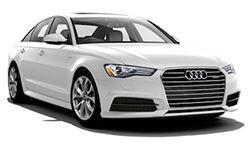
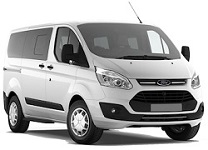
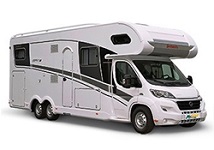
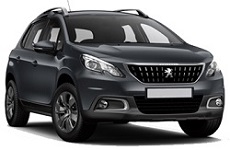
Whatever your transportation needs, Auto Europe can provide the perfect mode of transportation at a price that can't be beaten. We take pride in guaranteeing the lowest rates. Compare daily car rental rates with luxury, chauffeured, van, motorhome, or any other mode of transportation to find the ideal option for you and your travel party.
Useful links
- Home
- Car Rentals
- Spain Car Rentals
- Madrid Car Rental