
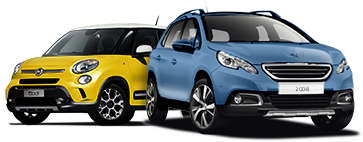
Car Rental Germany

History & Culture | Main Cities | International Airports | Shopping | Sightseeing | Food & Drink

Information
Germany Home
General Information
Driving Information
Car Rental Fleet Guide
Airports
Hotels
Other Countries
Services in Germany:
Airfare
Car Rentals
Luxury Cars
Chauffeurs
Motorhomes
Hotels
City Info
Frankfurt
Munich
History & Culture

No other country has played such a bold role in molding Europe as Germany has. One can only appreciate this rich History by exploring the many historical sites still standing in Germany today.

For thousands of years, many Tribes roamed this land now belonging to Germany. These tribes are thought to have migrated from Scandinavia about 100 BC due to overpopulation. In 800 AD, the various Germanic tribes consisting of the Bavarians, Swabians, Thuringians, Franks, Franconians, Frisians and Saxons all came together under the rule of Charlemagne. Charlemagne was crowned in Rome by the Pope, as the Holy Roman Emperor, entitling him to control over Gaul as well as Germania. Gradually over the centuries, the concept of the Roman Empire started to decline.

On the eve of All Saints Day, in 1517, the Protestant reformation was started in Germany. Martin Luther nailed his ''Theses'' to the Church door in Wittenberg denouncing the sale of indulgences. Luther''s disagreements with the Roman Catholic Church caused enough conflict that after a few decades the religious unity that Germany once had, was no longer.

The growing disagreements between Catholics and Protestants are what brought on the 30 years war, lasting from 1618-1648. By the end of the war, the campaigns were more concerned with the Balance of power than with actual religious differences. Peace of Westphalia, which signified the wars end, granted independence to Switzerland and the Netherlands and gave Alsace to France.

When Frederick II the Great took the throne in 1740, Prussia was thriving. During his Rule, he transformed Berlin into a popular travel destination for the upper class, with the building of Theatres, Monuments and Palaces.

In the early 1800''s Napoleon Bonaparte ruled most of Europe, including Austria and Prussia. The Congress of Vienna intervened after the demise of Napoleon''s Empire and established a German Confederation. Otto von Bismarck turned this Confederation into a Great Empire, which was defeated in WWI.

Due to the collapse of the Empire, and the harsh restrictions put on the country through the Treaty of Versailles, the country experienced severe economic stagnation. With the effects of the suffering economy, the Nazi party rose to put Adolph Hitler into power in 1933. Hitler led Germany into WWII with his forceful imperialistic ruling.

Germany was split into 4 occupational zones after their defeat in 1945. The British, Russian, French and the Americans each had a zone. Due to disagreement between the 4 powers, Germany was split into two countries, the German Federal Republic and the German Democratic Republic. The GFR(West Germany) consisted of The French, American and British Occupational Zones and the GDR(East Germany) consisted of the Russian Zone.

Economic Recovery came to West Germany with the help of the Western Countries, while East Germany had fallen under Communist Rule. In 1961 the Berlin Wall was erected in order to prevent free travel between East and West Germany.

Reform in the 1980''s within Poland and the Soviet Union allowed the two countries to join as one, with the fall of the Berlin Wall in 1989.

Today Germany has established itself as a powerful economic leader and a key member in the development of the European Union.

Top
 
Main Cities
Germany has enough variety within all it’s cities to fill several weeks of travel, however if you are forced to limit your time, here are a few of the cities that you should not miss:

Berlin
Cologne
Dresden
Dusseldorf
Frankfurt
Hamburg
Heidelburg
Leipzig
Munich
Stuttgart

Top
 
International Airports
You can fly to Germany direct from a number of US and Canadian cities: the main points of entry are Frankfurt, Munich and Dusseldorf, with Frankfurt being the second busiest airport in Europe following London Heathrow. Travel domestically within Germany and to neighboring countries is quite extensive but consider traveling by car as in most cases this will be a less expensive option.

The full range of International airports is shown below:
Baden-Baden/Karlsruhe (FKB)
Berlin - Brandenburg (BBI)
Berlin - Schonefeld (SXF)
Berlin - Tegel (TXL)
Berlin - Tempelhof (THF)
Bremen (BRE)
Dortmund (DTM)
Dresden (DRS)
Dusseldorf (DUS)
Frankfurt/Main (FRA)
Hahn (HHN)
Hamburg (HAM)
Hannover (HAJ)
Hof - Plauen (HOQ)
Koln(Cologne)/Bonn (CGN)
Leipzig - Halle (LEJ)
Munich (MUC)
Nurnberg (NUE)
Paderborn - Lippstadt (PAD)
Rostock - Laage (RLG)
Saarbrucken (QFZ)
Stuttgart (STR)

Top
 
Shopping
By law stores in Germany are allowed to be open between 6am and 8pm Monday thru Saturday. Smaller stores generally will close for an hour or two in the afternoon for lunch. Most of the good stores are still located in the downtown areas of cities since Germany doesn’t have many malls. These downtown districts are usually pedestrian zones with outdoor cafes and sidewalk musicians.

Virtually every personal or household item is available in Germany so there shouldn’t be a problem finding what you are looking for. Items you are sure to find include, China, Glassware, leather goods, shoes, toys, musical instruments, antiques, and high fashion clothing for men, women and children.

Some of the products that are more specific to Germany are Hummel Figurines, Cuckoo Clocks, Wooden Nutcrackers, Beer Steins, Music Boxes, Cutlery, Lederhosen, Dirndls and Tyrolean Hats

Top
 
Sightseeing
The romantic image of Germany is still evident today with the fairy tale castles, vastness of the black forest, and the timber framed medieval towns. The dramatic landscapes and the fertile vineyards of the Rhine and Mosel Rivers donned by castle ruins and dreamy wine villages bring you back in time. Other highlights not to be missed, are the Bavarian Alps, the rolling hills of the Eiffel, the North Frisian Islands and the Bodensee.

The best time to travel to Germany would be between May and October when then climate is the most reliable. This is also the standard tourist season, so if you’re looking for fewer tourists and enjoyable weather then the shoulder season might work for you.

From the wine festivals along the Rhine and Mosel, to Octoberfest in Munich there is always some kind of celebration in Germany. The Winter Carnival (Fasching) takes place in numerous cities across Germany prior to Ash Wednesday and many additional festivals take place in honor of Germanys musical heritage. Around Christmas time, the traditional Christmas Markets and street lights make the season a little brighter.

Top
 
Food & Drink
The traditional German fare was created by the influences of many countries including Poland, the Netherlands, Denmark, Austria, Switzerland, and Belgium, all of which were at one time or another part of the German nation.

Due to an ample water supply, fertile terrain and a productive climate Germany is quite rich in beef and dairy cattle as well as sheep and pigs. While many other countries had a shortage of meat. Germany had an abundance, which caused a storage problem. To solve this problem they started smoking, marinating and salting the meat. These processes are what lead to preserved foods and the 1500 different varieties of Sausage.

Pork is the national favorite in Germany, with more dishes made with Pork than any other meat. Other traditional German foods are Game Birds, Rabbit and Juniper berries. The most common condiments in Germany are Mustard and Horseradish.

Only in modern times have the Germans started eating just 3 meals a day, lowered from between 5 and 7. Today, a typical German meal can include anywhere from 2 and 7 courses. They start with the Vorspeise (appetizer), and then move on to the Suppe (Soup), after soup comes the Hjauptspeise (Main Course), along with 1-2 Beilagen (side dishes). This meal is usually accompanied by Beer, Wine or Sekt(sparkling wine) for a beverage.

Changes in lifestyles are greatly influencing Germany in the culinary sense. Germans are still eating a lot of meats but many are leaning towards a lighter healthier diet. Vegetarianism is well accepted and you can find a number of foreign restaurants in every city.

Breakfast - Typically for Breakfast you will be served a small plate of cold meats and cheeses along with fruit preserves, marmalades and honey. There will be a variety of breads and rolls including pumpernickel and salted Brezel. For beverages you will most likely see freshly brewed coffee, herbal and plain teas, chocolate milk, Orange Juice and Apple Juice. For a quick breakfast, most Baker''s Shops are open by 7am. They offer freshly baked goods and pastries as well as high quality chocolates and Coffee. Most chain bakeries will set aside a standing area for you to eat called Stehcafe or in English, standing Café.

Kaffee und Kuchen - Most Germans will serve Coffee and Cake to their guests, just as the English will serve their morning and afternoon teas. Germans might also stop at a Café for their cake and coffee. Most Café''s will offer espresso, cappuccino and mocha as well as a variety of cakes, pastries and handmade chocolates.

Lunch - For many Germans, Lunch is the biggest meal of the day, usually served between 12 and 2pm. It is usually a hearty meal consisting of meats and potatoes. Many restaurants will also include wild game (when in season), fish, pasta, pizza and vegetarian dishes on their menu. If looking for a smaller lunch, try a Beer Garden.

Dinner - Dinner is generally served between 6pm and 10pm. For those Germans who eat a large lunch, dinner usually consists of lighter dinner fare. Open faced sandwiches with sliced meats and cheeses, as well as sausages and salads are generally what you will find. Those that opt for a small lunch and a large dinner will have a hearty meal most likely including meat, potatoes and vegetables.

Snacks and Ice Cream - If you are looking for a quick snack you might want to look for an Imbiss Stand. These stands will offer foods such as Sausages, hamburgers and French fries. Some larger stands might include soups, salads and Schnitzels. Most will sell beer and will charge a small price for condiments such as mayonnaise and ketchup.

To find the most varieties of Ice cream you''ll want to head to an Ice Café. Most Ice Café''s resemble any other café with an emphasis on ice cream. The menu will consist of a huge range of flavors and concoctions. Some of the flavors you should expect to see include, Malaga (rum raisin), Pistachio, Strawberry, Hazelnut, Banana, Stracciatella(chocolate chip), Coconut, Vanilla, Chocolate and Coffee. Also, in sorbets there will be flavors such as Mango, Raspberry, Blackberry, Cherry, Melon, Lemon and Strawberry. Keep in mind that the scoops are generally much smaller so it''s not uncommon to have 3 or 4 flavors on one cone. Also check out the menu for unique concoctions. Many Ice Cafes will create their own sundaes with a combination of ice cream, sorbets, liquors and sauces. One special treat that is popular with both kids and adults alike is Spaghetti Ice. It is Vanilla Ice cream, put through a press to make it look like spaghetti, with strawberry sauce on top to look like tomato sauce. In most cases, white chocolate shavings are sprinkled over the top to give the look of Parmesan cheese.

Beer Wine & Spirits

Germany is one of the largest wine producers in the world, though many outside of Germany might not know it. The reason for this is that most German wine is consumed within the country. Germany has thousands of vineyards that make up 13 wine growing regions. The vast majority of wine made in Germany is white since red grapes do not consistently ripen in the northern climate.

Germany is one of the top beer drinking countries in the world and has consistently ranked within the top 5 in the most liters per person consumed. Within Germany Bavarians and Saarlanders seem to drink the most. There is a huge range in the types of Beer. Alt, Bock, Dunkel, Hell, Lager, Pils, Malzbier, and Weizenbier are just a few of the choices. Beer is a vital part of the German culture and as a result there are over 900 breweries in Germany today. Each of these breweries must adhere to the strict regulation of the Reinheitsgebot, the German Beer Purity Law. This law dates back to 1516 when brewers were adding a number of ingredients, which resulted in beer that was sometimes foul smelling and occasionally poisonous. The law states that no other ingredients other than hops, malt, yeast and water may be added. The Reinheitsgebot is the oldest food regulation in the World and because of it German Beer has become world renowned for it''s quality and consistency.

Types of Eatery''s

Kneipe (Pub) - A Kneipe is a place to meet people while having a drink. Most will offer some sort of Musical entertainment and have a large variety of Beer and Wine.

Café - A Café is a great place to go for a light snack and a cup of coffee. The menu will usually offer other beverages such as fruit juice and soda, as well as soups, salads and sandwiches. They also include creams pies and cake slices for dessert.

Bistro - A Bistro is for someone who is short on time but is looking for hot food.

Gasthaus (GuestHouse) - a Gasthaus will generally offer a good place to have a drink, a hearty menu and if needed a room to rent. The menu is usually fixed and traditional offering complete meals and simple desserts.

Restaurant - If you are looking for a large meal then head to a restaurant. Keep in mind that Germans take their time when going out to a restaurant. The meal can be anywhere from 2-7 courses so expect to spend at least an hour. Germany offers many different types of restaurants including Italian, Chinese, Spanish and French.

Backerai (Bakery) - There is usually at least one Bakery in each town including small villages. Here you will find a large selection of breads, rolls, cookies, cakes and fruit pies.

Konditorei (Pasty Shop) - Here you will find a variety of freshly baked goods, cream pies, chocolates and candy.

Metzgerei (Butcher Shop) - A Butcher will have a wide variety of the freshest meats including Salamis and Wursts and you will be able to choose how you want your meat cut.

Top
 
Reservations
Find rates in Germany for:
Car Rentals
Luxury Vehicles
Chauffeur Services
Motorhomes
Hotel Accomodations
From:
  Date
  Time :
To:
  Date
  Time :
Seasons

Spring
Average spring temperatures: 37-56 F and 3-13 C. Spring arrives late in Alpine regions, where snow flurries can be common in April.

Summer
Average summer temperatures: 53-72 F and 12-22 C. June, July and August are the best months for outdoor activities.

Fall
Average fall temperatures: 40-55 F and 4-13 C. Autumn can be warm and beautiful in the south.

Winter
Average winter temperatures: 24-36 F and -4-2 C. Germany is ideal for Winter sports in from December to March and until April in the Alps.

Embassies

United States Embassy in Berlin
Neustaedtische Kirchstrasse 4-5
10117 Berlin
Phone (+49) 030-83050

United States Embassy Consular Section
Clayallee 170
14169 Berlin
Phone (+49) 030 832-9233
Fax (+49) 030 831-4926

United States Consulate General Dusseldorf
Willi-Becker-Allee 10
40227 Dusseldorf
Phone (+49) 0 211 788-8927
Fax (+49) 0 211 788-8938

United States Consulate General Frankfurt
Siesmayerstrasse 21
60323 Frankfurt Am Main
Phone (+49) 069 7535-0
Fax (+49) 069 7535-2277

United States Consulate General Hamburg
Alsterufer 27/28
20354 Hamburg
Phone (+49) 040 411 71-00
After-hours Phone (+49) 040 411 71-300
Fax (+49) 040 41 32 79 33

United States Consulate General Leipzig
Wilhelm-Seyfferth-Strasse 4
04107 Leipzig
Phone (+49) 0341 213-840
After-hours Phone (+49) 0341 213-8413

United States Consulate General in Munich
Koeniginstrasse 5
80539 Munich
Phone (+49) (089) 28880
Fax (089) 280-5163
Dial the telephone numbers in parentheses (long-distance access code 0 plus the city code) only if calling from German locations outside the city. The Consulates General in Dusseldorf, Stuttgart and Leipzig currently offer only emergency services to U.S. citizens.


Call 1-888-223-5555 toll-free | Email Directory | Car Rental Guides
Get the latest travel deals with our RSS feed. Download Auto Europe RSS Feed | More Info

Concerned about privacy? Please read our Privacy Policy
Site contents © 2009 Auto Europe unless otherwise noted.
Site Map | Unsubscribe from our newsletter.

ASTA Green Member ASTA Member BBBOnline - Click For Info
Home | Specials and Packages | Car Rental | Flights | Hotels | Rail | Cellphones | Resources | Agents and Affiliates

Auto Europe USAuto Europe CanadaAuto Europe Australia

Auto Europe has been ARC-accredited and is registered with the State of Florida as a Seller of Travel: Registration No. ST-36099
Auto Europe is certified as a Travel Agent/Tour Promoter in Ohio: ID Number: 8789303
Auto Europe is registered as a travel agency in Iowa: Travel Agency Number 868
California Seller of Travel # 2058065-50    ERSP # 54-46344-1
Nevada Seller of Travel #2007-0059
Washington Seller of Travel #608 733 167
Registrations pending in Hawaii and Ontario, Canada.
Web Site Terms & Conditions

— Page generated: 04-Jul-2009 05:53:19 ET —